Design Expression
Design expression is architecture’s visual language. Through geometry, material contrast, and composition, buildings communicate purpose, identity, and cultural meaning.
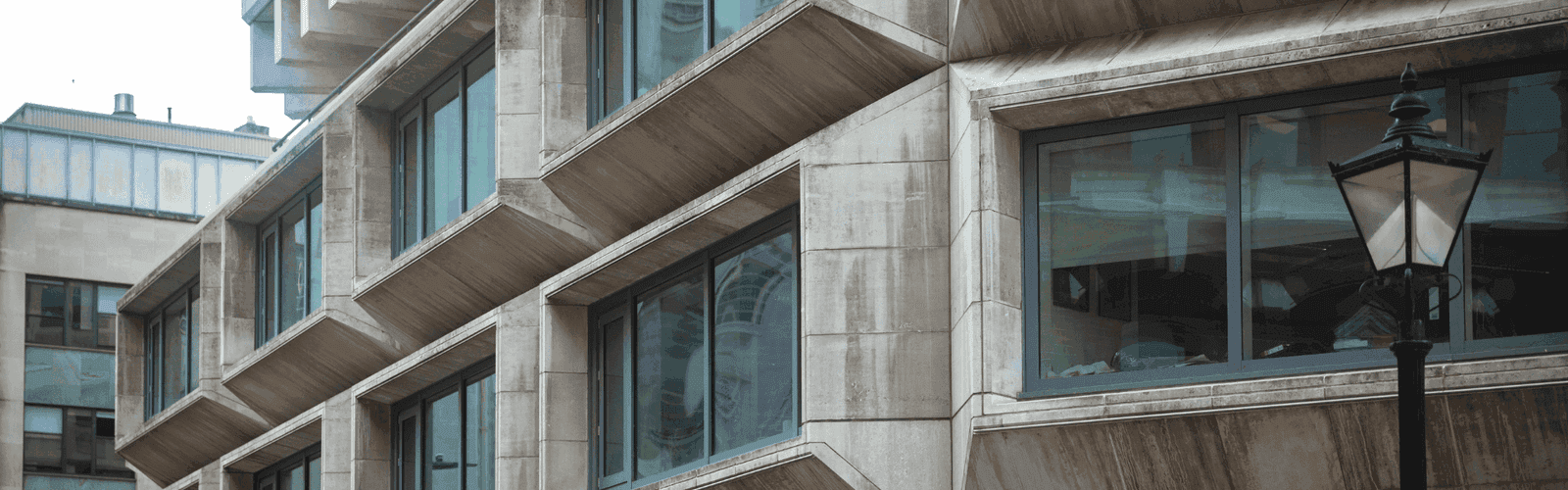
Brutalism Beyond Concrete and Reputation
Brutalism is a movement of radical vulnerability that rejects decorative "wallpaper" to celebrate the honest, raw soul of materials like exposed concrete and structural skeletons. By treating massive geometric forms as heroic sundials of light and shadow, it seeks a utopian truth that prioritizes social stability and material sincerity over polite aesthetics.
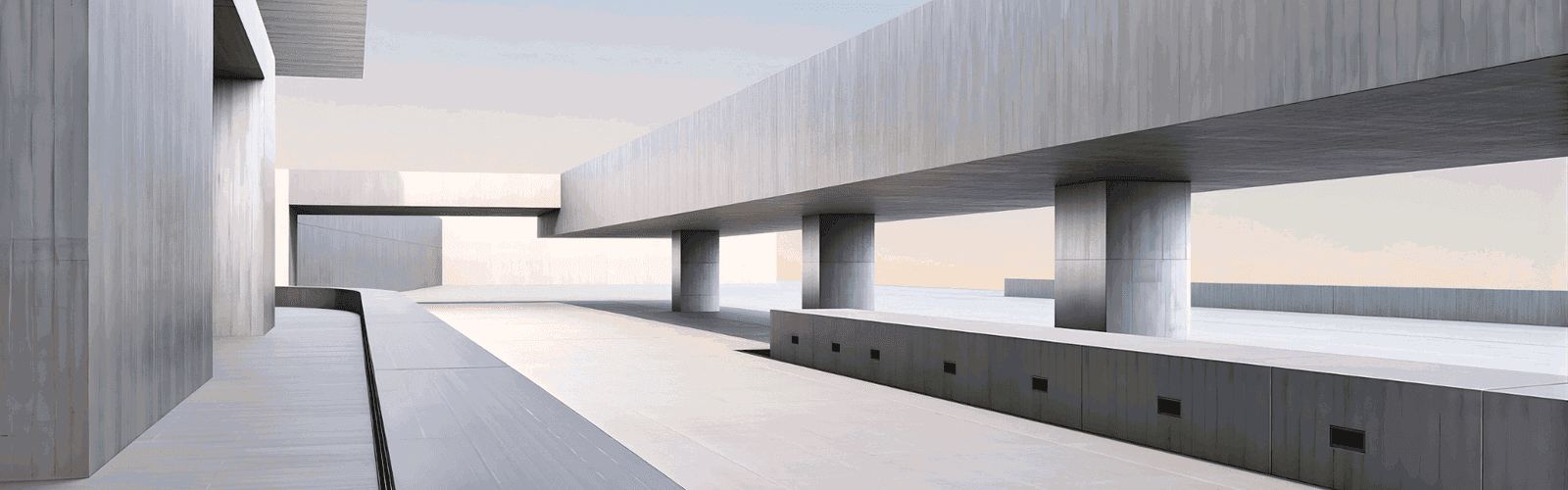
Minimalism as a Discipline, Not an Aesthetic
Minimalism is an exacting discipline of the mind that strips away visual clutter to reveal the "single note" of a space through surgical precision and intentional restraint. By treating light, shadow, and proportion as primary building materials, the architect transforms the "void" into a tangible experience that honors the essential rituals of human life.
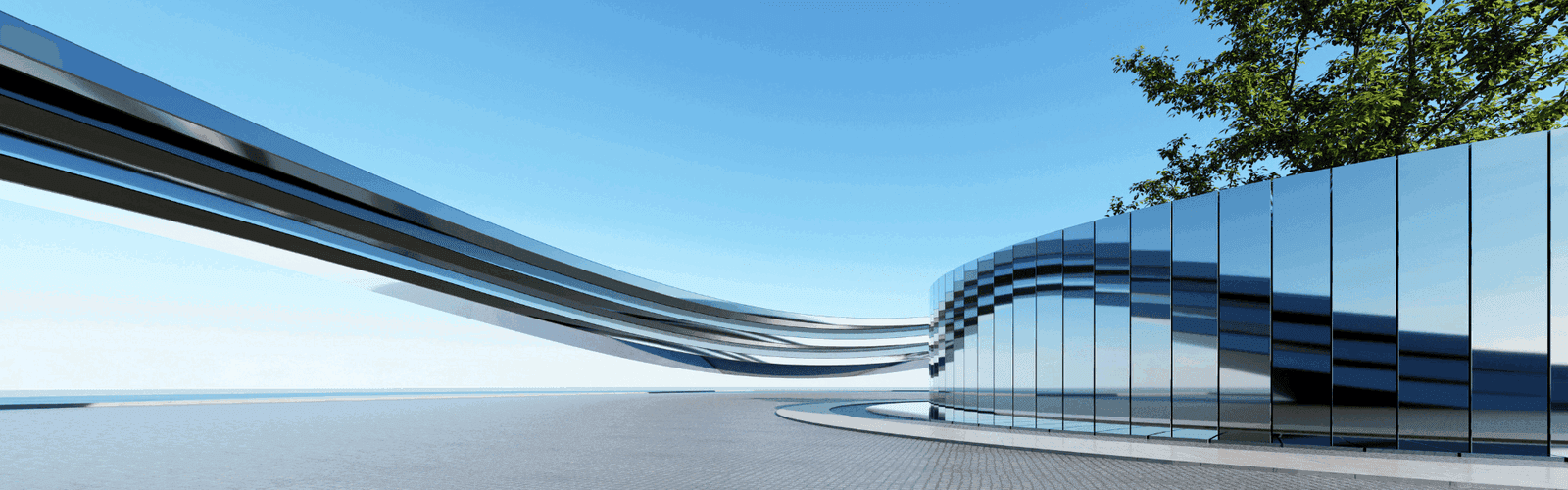
The Quiet Difficulty of Architectural Simplicity
True architectural simplicity is a technical marathon that requires "invisible submission" from every structural and mechanical component to achieve a zero-tolerance finish. Far from a mere lack of decor, it is a high-stakes engineering feat where every razor-thin joint and concealed HVAC system must be mathematically perfect to ensure the final space feels effortless rather than erroneous.
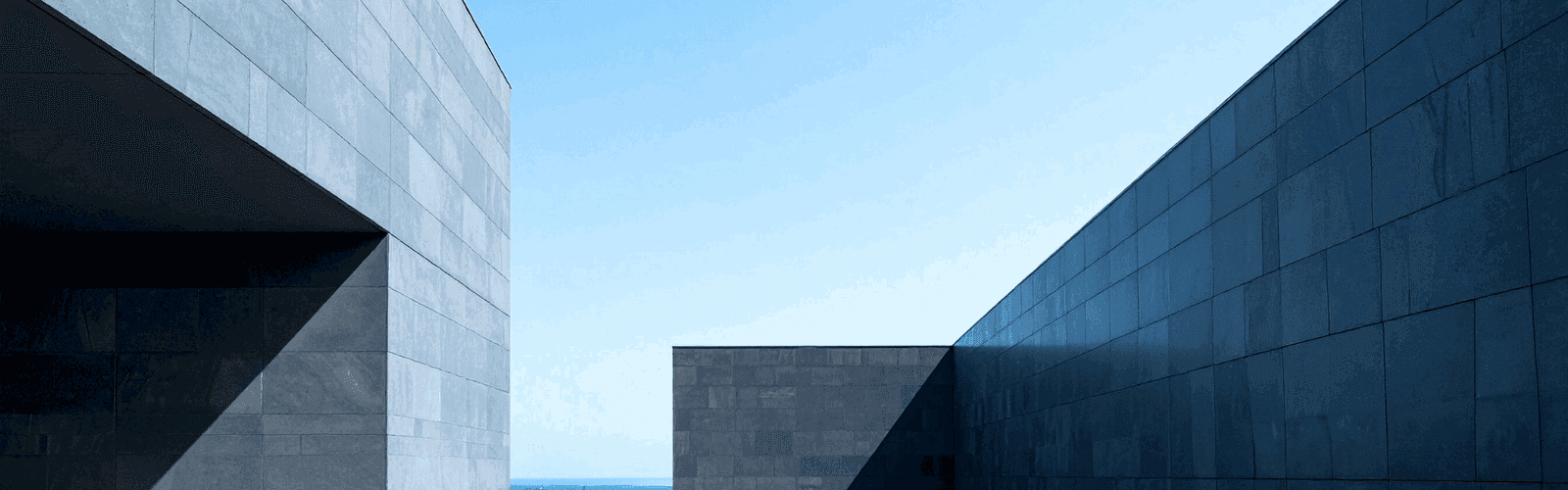
Structures That Speak in Nuance Rather Than Volume
Subtle architecture rejects the visual spectacle in favor of a "vocabulary of whispers," where the emotional impact is driven by mathematical proportion and tactile depth rather than dramatic form. By treating light as furniture and material transitions as artistic events, the architect creates a stratified sensory journey that rewards slow observation and provides a permanent, grounded anchor for the human experience.