Architectural Process
Architectural process balances imagination with constraints. Ideas evolve through research, sketches, models, and technical coordination to satisfy function, structure, budget, and regulatory demands.
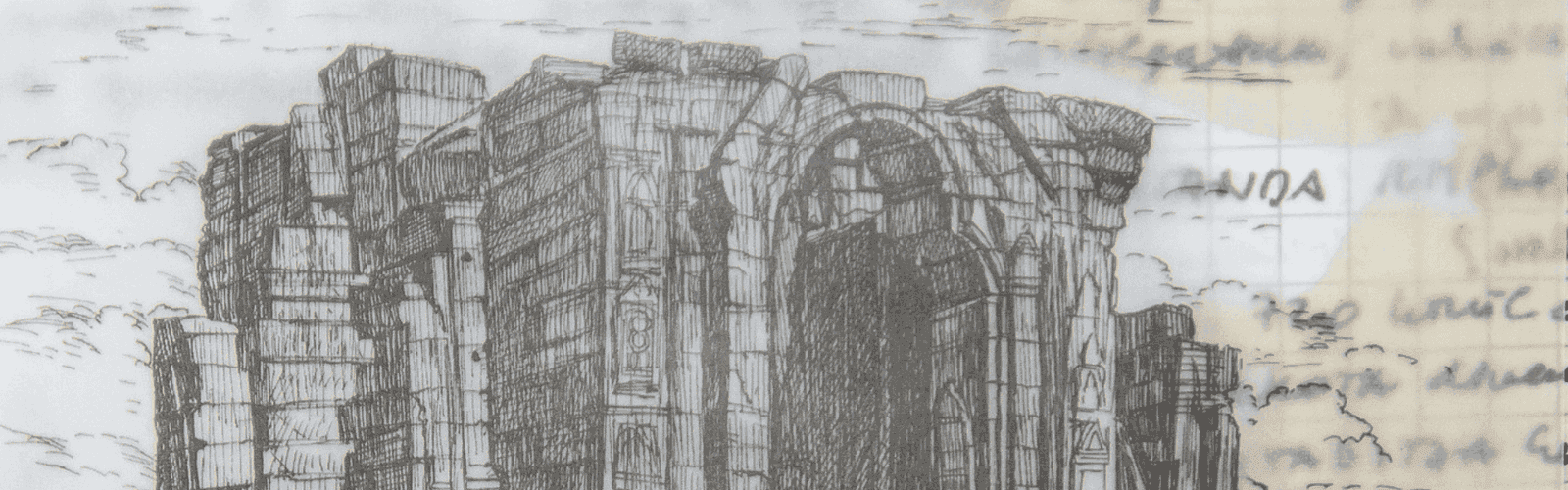
Sketches as the First Breath of Design
Architectural sketches serve as the "first breath" of a project, capturing the raw emotional intent and spatial logic of a design before it is constrained by technical precision. This iterative process acts as a bridge between abstract thought and physical reality, allowing the designer to explore light, scale, and atmosphere through the fluid, intuitive movement of the hand.
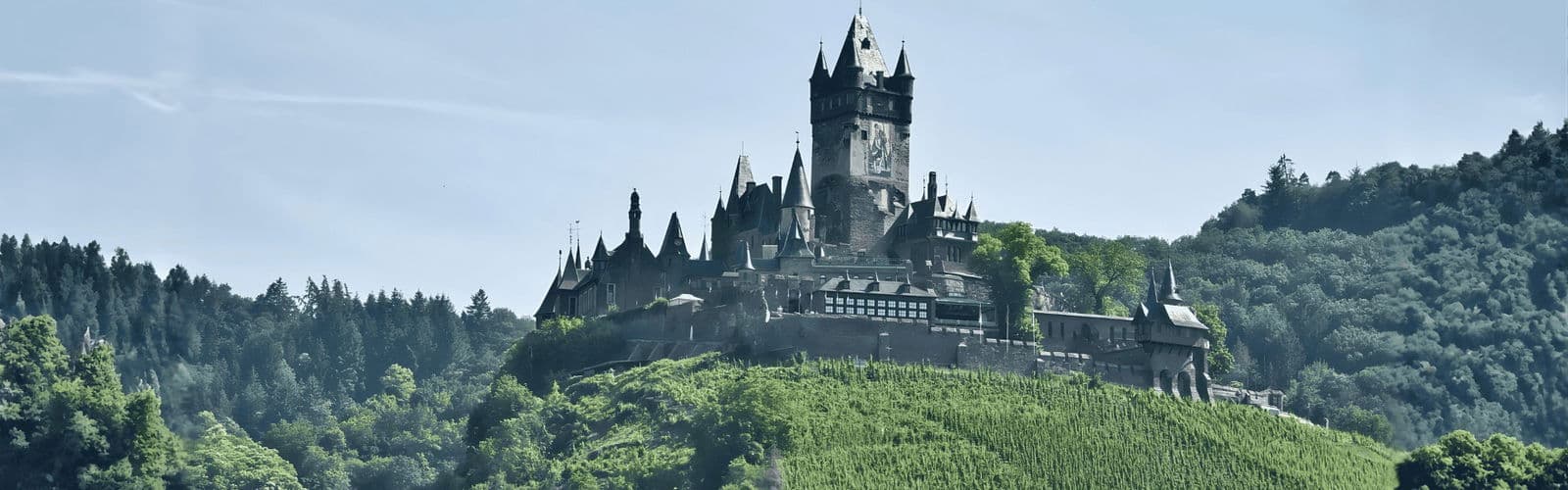
Boundaries That Shape Architectural Imagination
True architectural innovation is born from friction with constraints such as gravity, budgets, and building codes rather than the freedom of a blank canvas. By treating these limitations as creative catalysts instead of obstacles, architects transform practical impossibilities into soulful and intentional design.
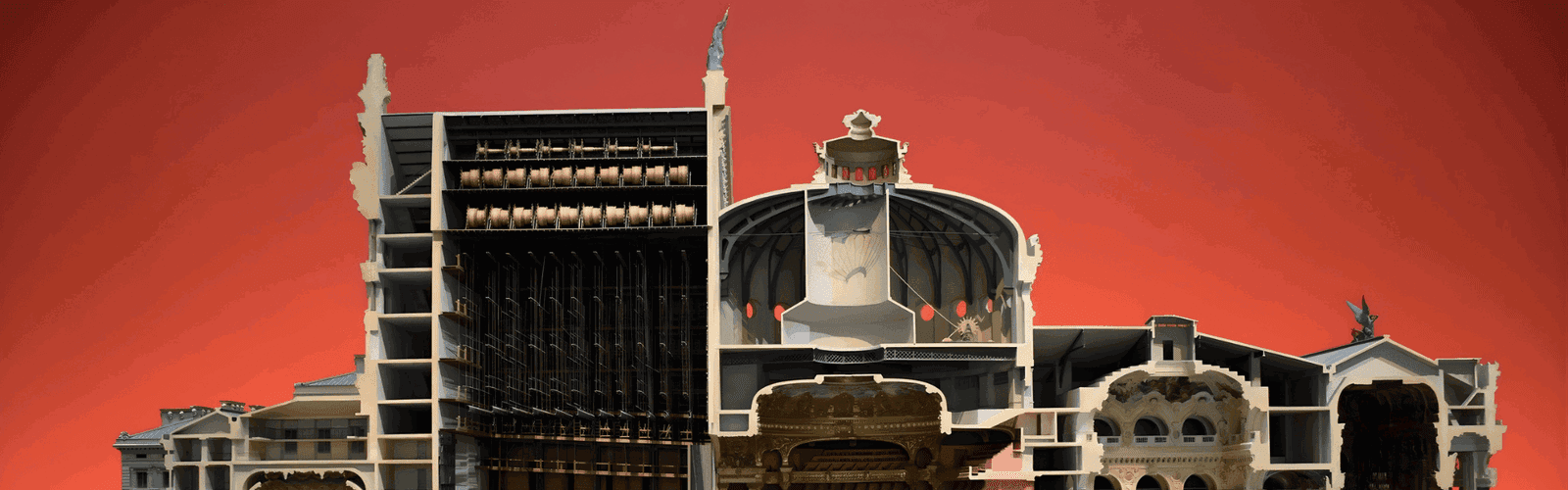
From Mind to Model: The Life of an Idea Before Construction
Physical models serve as a sensory laboratory where architects transition abstract dreams into tangible reality by "thinking with their hands." These miniatures act as an unforgiving judge of light, scale, and materiality to ensure a design survives the harsh transition from paper to the physical world.
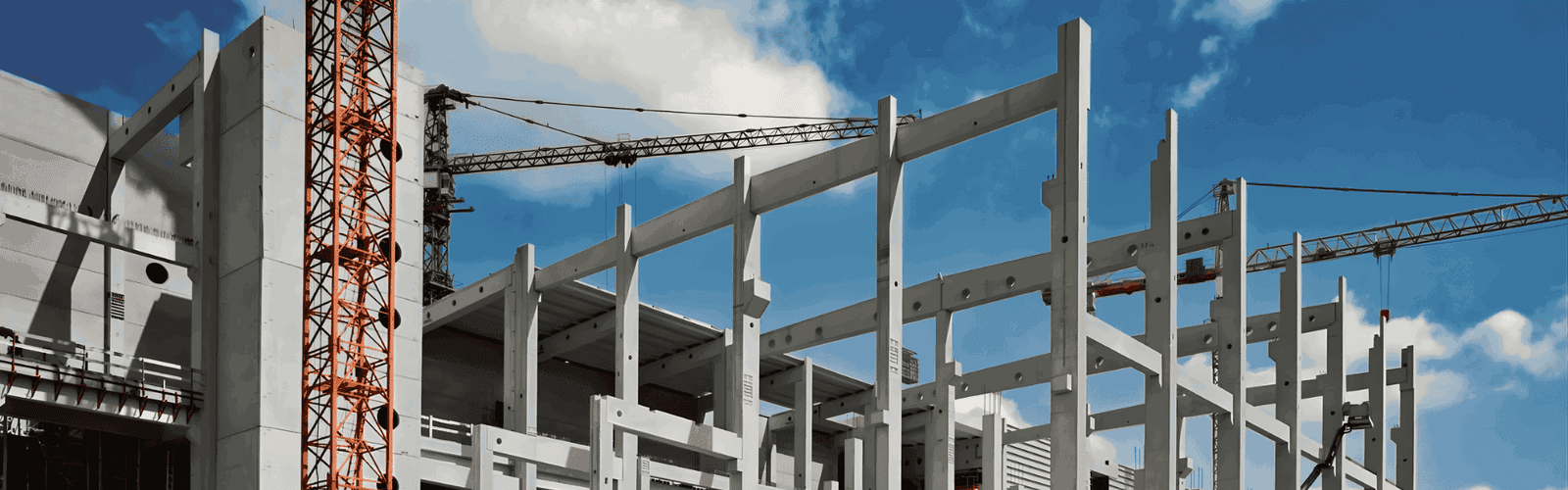
Shifting Forms: When Concepts Evolve on Site
On-site evolution marks the transition from a rigid studio script to a live performance where the architect treats the landscape as a primary consultant. By refining windows, materials, and proportions in response to real light and discovered geology, the designer ensures the building becomes a natural extension of its environment rather than an intruder.