Architectural Context
Context considers climate, culture, history, and surroundings, ensuring new architecture responds thoughtfully rather than appearing disconnected or imposed.

The Subtle Continuity of Tradition
Subtle continuity rejects the false choice between sterile historical imitation and rootless modernism, instead evolving the "DNA" of a culture into the technologies of today. By prioritizing the underlying logic of climate, material memory, and social rituals over superficial style, architects create buildings that feel both avant-garde and timelessly rooted in their environment.
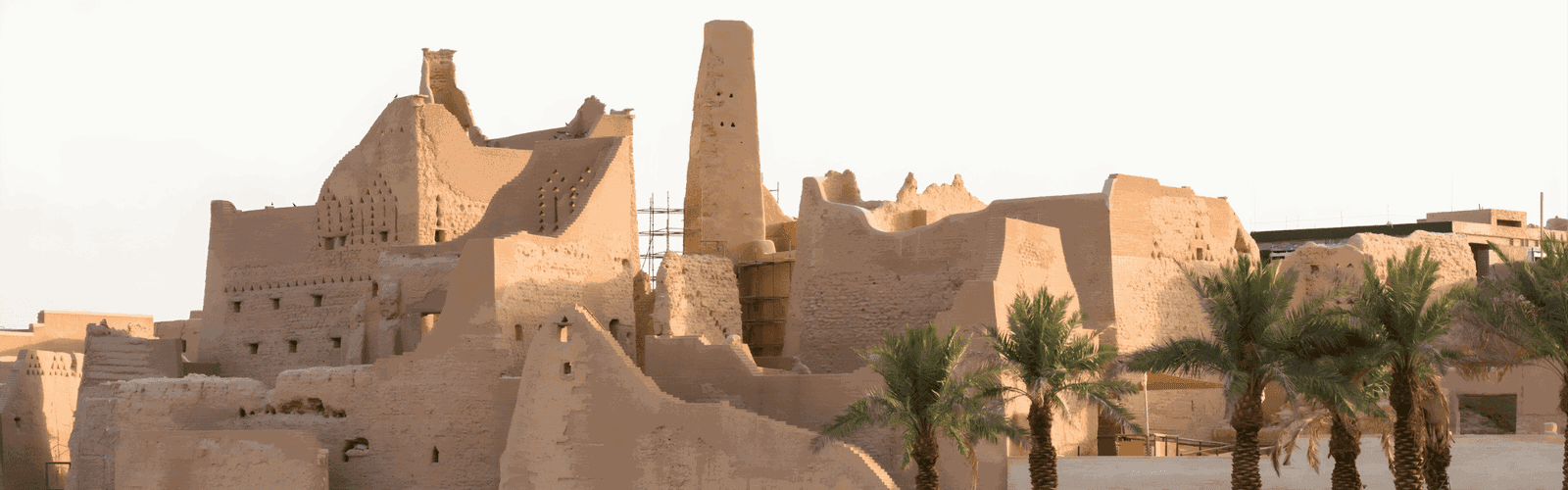
Designing With History, Not Against It
Designing with history is a process of active translation where architects treat the past as a living medium rather than a liability or a costume. By layering contemporary technology over ancient proportional ratios and material logic, the designer creates a "stratigraphic" narrative where new structures function as the next logical sentence in a multi-century conversation.

Reading Buildings Through Their Materials
Architectural perception begins with a visceral "material audit" where the senses process the temperature of stone or the grain of wood long before the mind identifies a building's style. By understanding the geological authority of stone, the human scale of brick, and the biological empathy of timber, we recognize that materials are the primary language through which architecture communicates permanence, labor, and life.

When Architecture Responds to Its Surroundings
Responsive architecture achieves lasting power by renouncing the desire to dominate, choosing instead to engage in a symbiotic "listening" process with its climate, geography, and social rituals. By treating a site's preexisting urban DNA and temporal history as primary design collaborators, these structures attain a sense of belonging so profound they appear to be natural outgrowths of the environment rather than independent objects of spectacle.