“Less is more.”
— Ludwig Mies van der Rohe“A house is a machine for living in.”
— Le Corbusier“Form follows function.”
— Louis Sullivan“Architecture is the art of how to waste space.”
— Philip Johnson“If you make bad architecture, you impose ugliness on a place for a hundred years.”
— Renzo Piano“Less is more.”
— Ludwig Mies van der Rohe“A house is a machine for living in.”
— Le Corbusier“Form follows function.”
— Louis Sullivan“Architecture is the art of how to waste space.”
— Philip Johnson“If you make bad architecture, you impose ugliness on a place for a hundred years.”
— Renzo Piano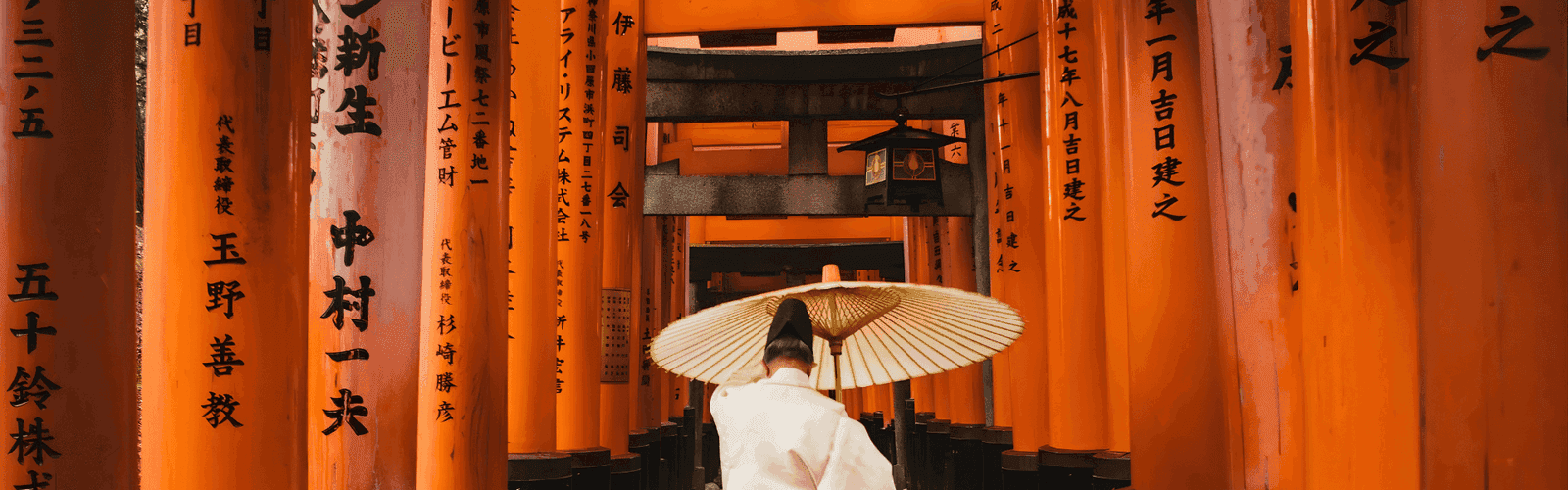
The Subtle Continuity of Tradition
Subtle continuity rejects the false choice between sterile historical imitation and rootless modernism, instead evolving the "DNA" of a culture into the technologies of today. By prioritizing the underlying logic of climate, material memory, and social rituals over superficial style, architects create buildings that feel both avant-garde and timelessly rooted in their environment.
Designing With History, Not Against It
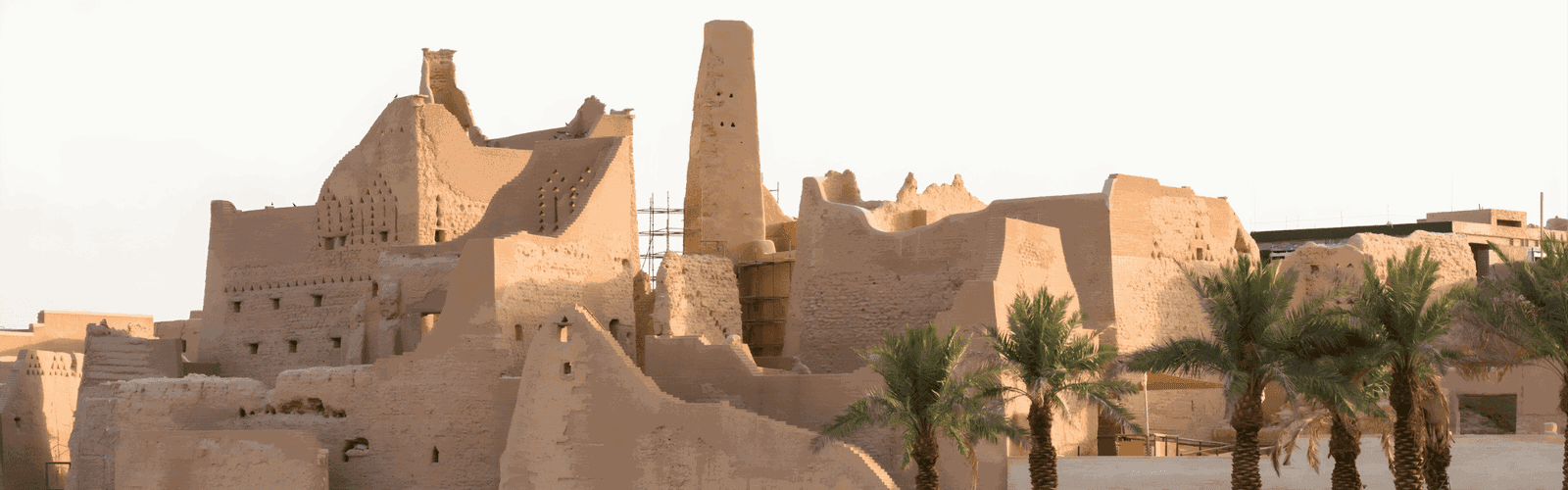
Designing with history is a process of active translation where architects treat the past as a living medium rather than a liability or a costume. By layering contemporary technology over ancient proportional ratios and material logic, the designer creates a "stratigraphic" narrative where new structures function as the next logical sentence in a multi-century conversation.
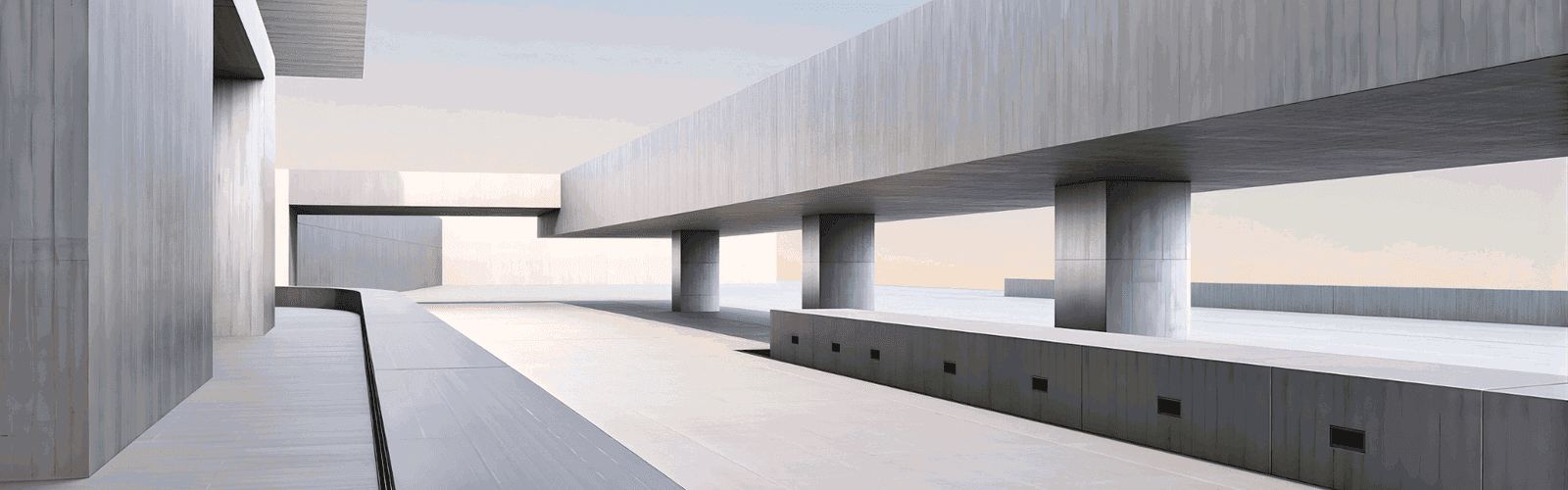
Minimalism as a Discipline, Not an Aesthetic
Minimalism is an exacting discipline of the mind that strips away visual clutter to reveal the "single note" of a space through surgical precision and intentional restraint. By treating light, shadow, and proportion as primary building materials, the architect transforms the "void" into a tangible experience that honors the essential rituals of human life.
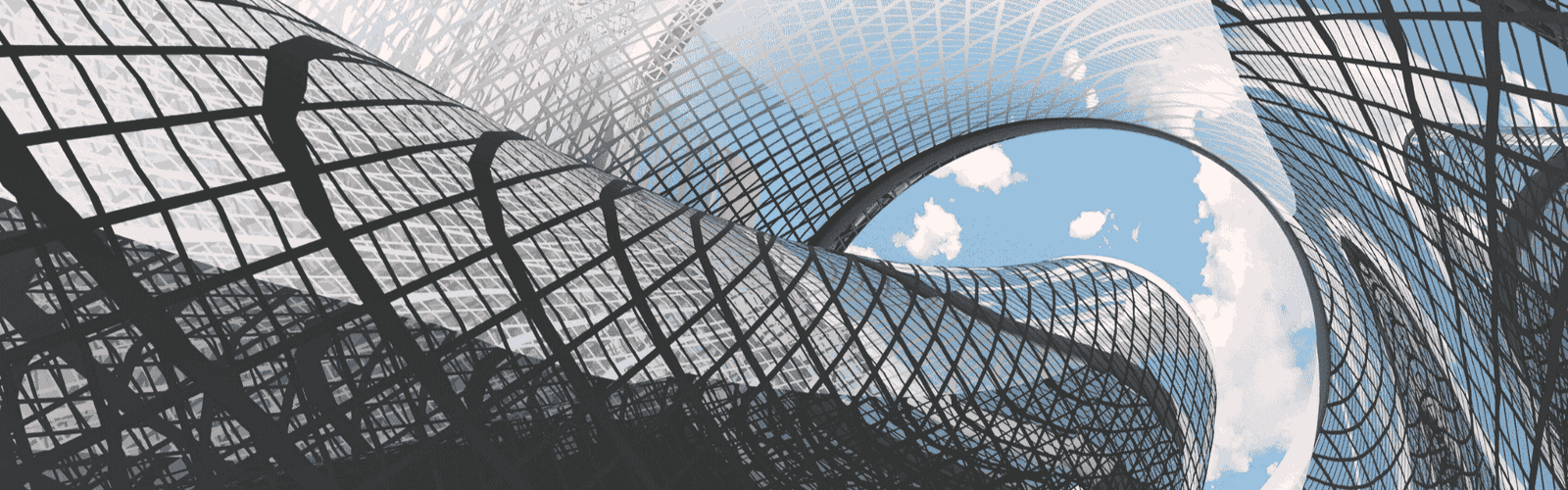
Reading Buildings Through Their Materials
Architectural perception begins with a visceral "material audit" where the senses process the temperature of stone or the grain of wood long before the mind identifies a building's style. By understanding the geological authority of stone, the human scale of brick, and the biological empathy of timber, we recognize that materials are the primary language through which architecture communicates permanence, labor, and life.
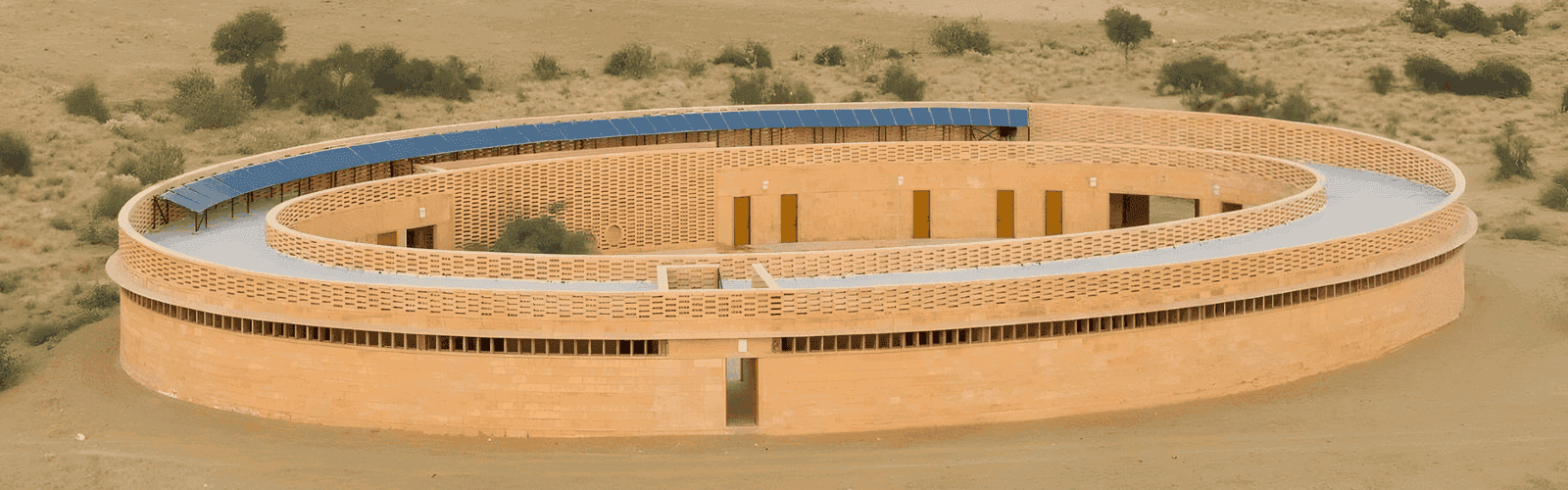
Beating the Desert Heat at the Rajkumari Ratnavati Girls School in Jaisalmer
The Rajkumari Ratnavati Girls’ School utilizes a stone elliptical form and traditional jali screens to transform the Thar Desert's harsh heat into a self-cooling sanctuary for education. By blending ancient Rajasthani masonry with aerodynamic design, the building serves as both a passive thermal engine and a social monument that elevates the status of female literacy in the region.
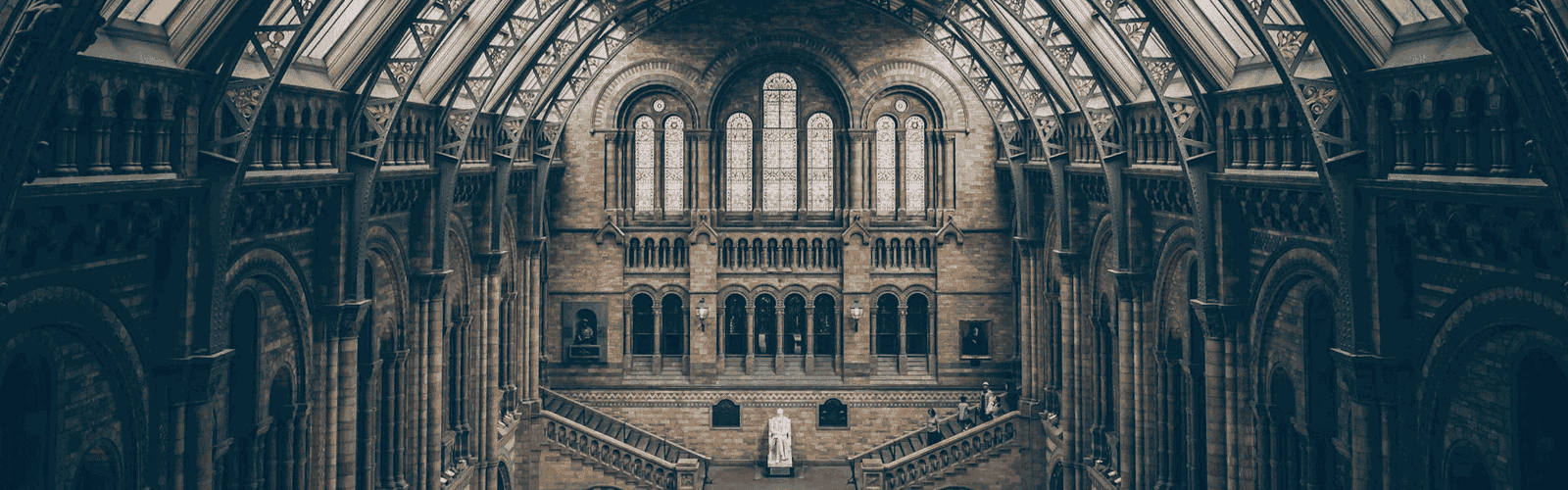
The Inhabited Canvas: Architecture as the Art of Lived Experience
Architecture transforms the cold logic of construction into a living art form by using light, volume, and material to dictate the emotional tenor of our lives. It proves that the most impactful design often resides in the silent gaps and the subtle harmony between a structure and its natural environment.
Know MoreEditors’ favourite
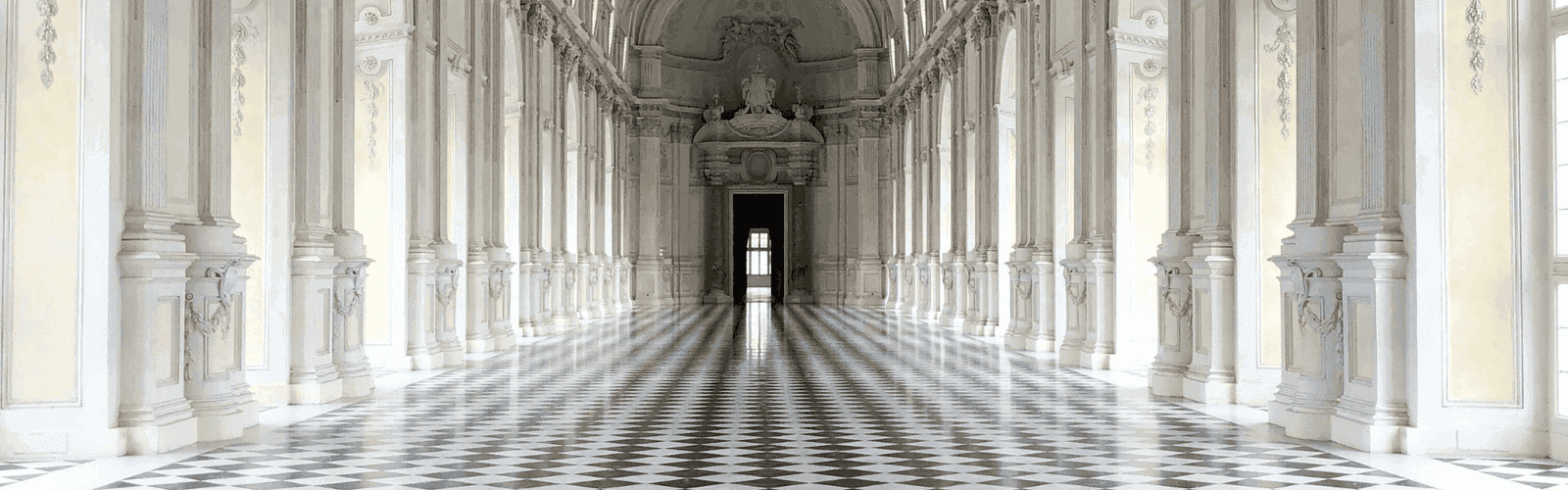
Designing With Silence to Shape Emotional Space
Architects create profound spatial experiences by stripping away visual spectacle and using silence, light, and materiality to compose an intentional emotional mood. These subtractive environments serve as an ethical necessity in hyper-connected cities, shifting occupants from a state of distraction to one of sensory presence and psychological recovery.
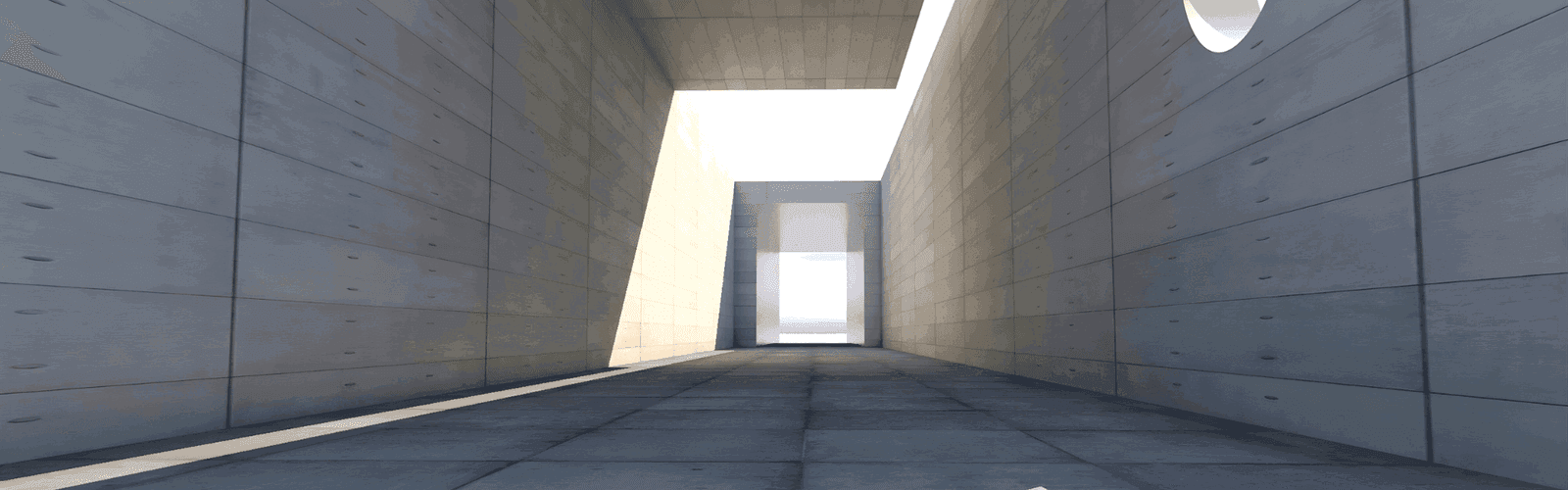
When Light Acts as Structure Rather Than Decoration
Light functions as a primary structural element rather than a decorative coating, establishing spatial boundaries and directing human flow through the physics of optics. By mastering aperture geometry and material translucency, architects can manipulate the perceived weight of solid mass and organize buildings around the dynamic path of the sun.
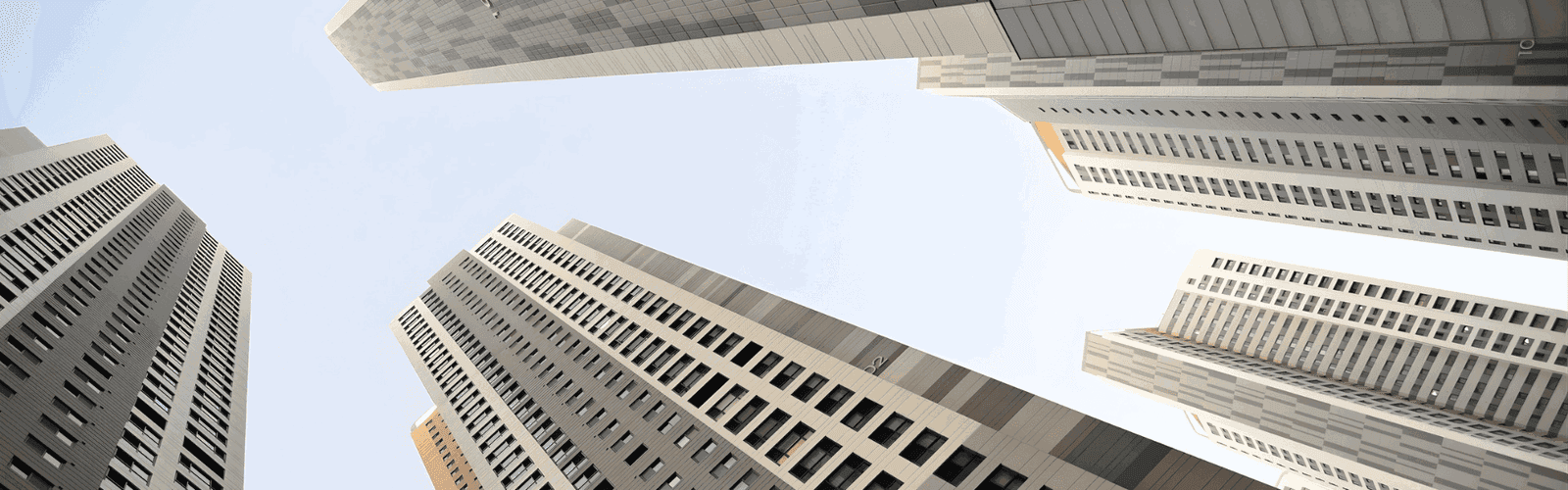
Why Spatial Gaps Give Architecture Its Rhythm
Deliberate spatial gaps like atriums and courtyards provide architecture with a rhythmic pulse that prevents physical stagnation and dictates the emotional flow of the occupant. These intentional voids transform solid material into breathable environments by facilitating natural cooling, light distribution, and the sensory experience of compression and release.
Recent articles
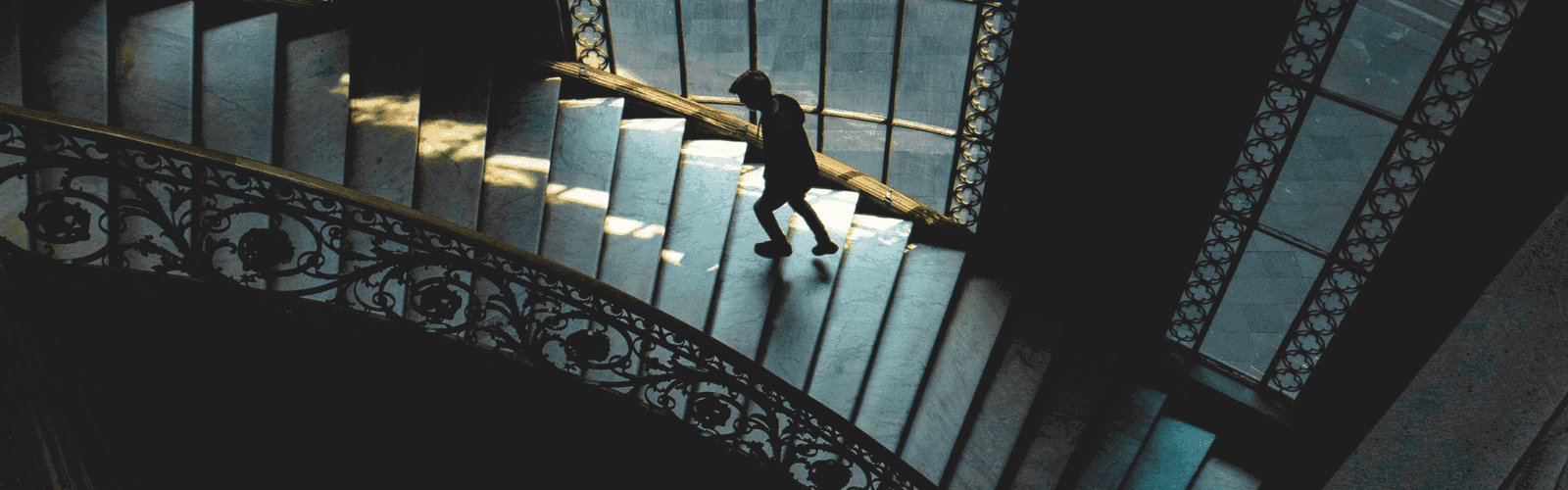
Movement and the Quiet Influence It Has on Architectural Experience
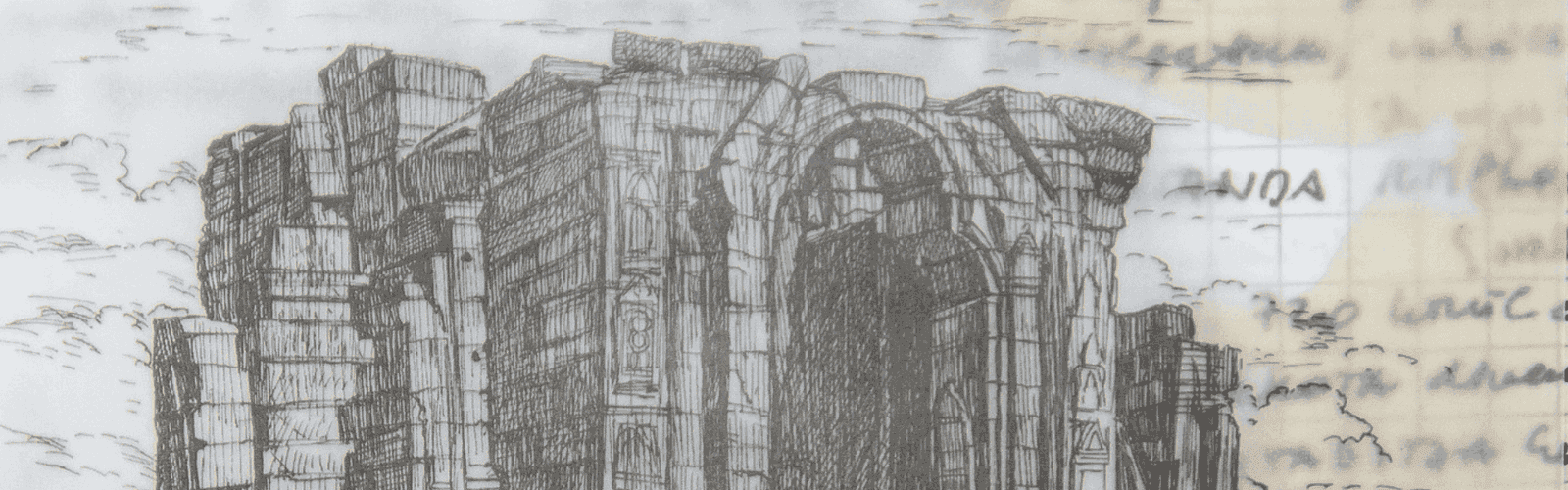
Sketches as the First Breath of Design
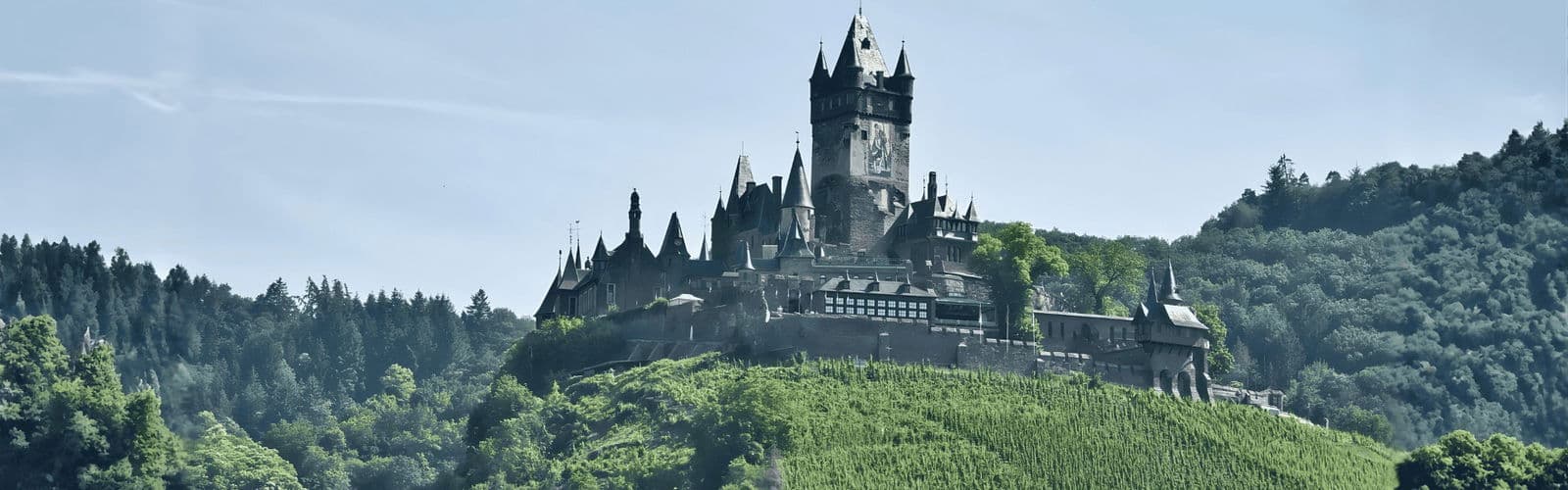
Boundaries That Shape Architectural Imagination
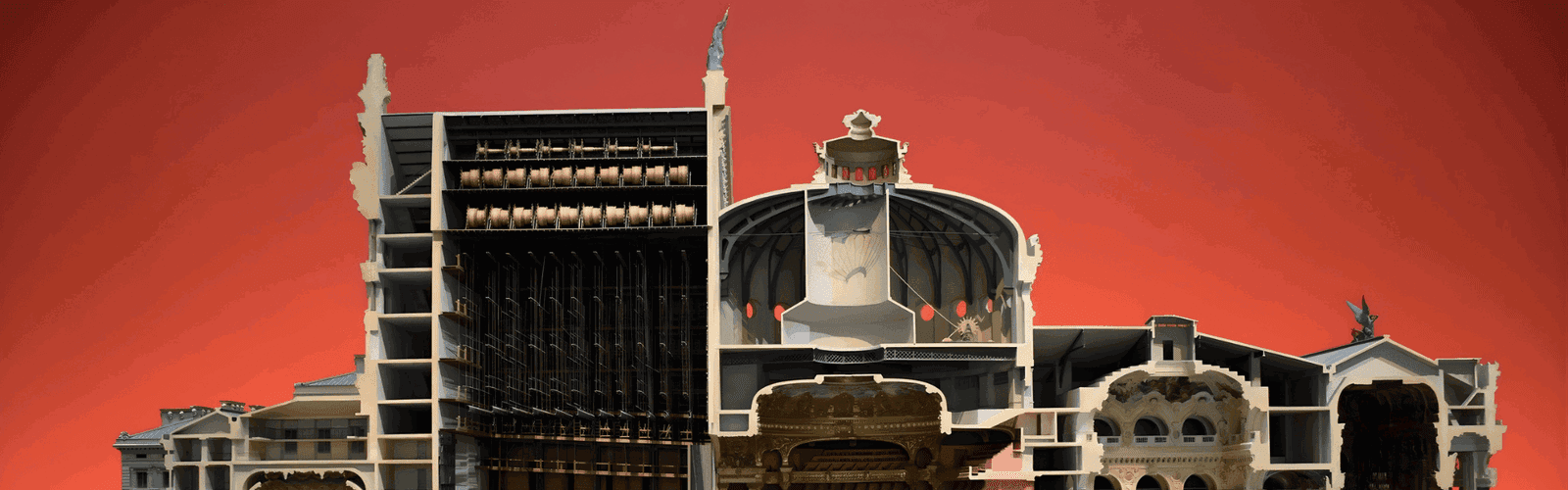
From Mind to Model: The Life of an Idea Before Construction
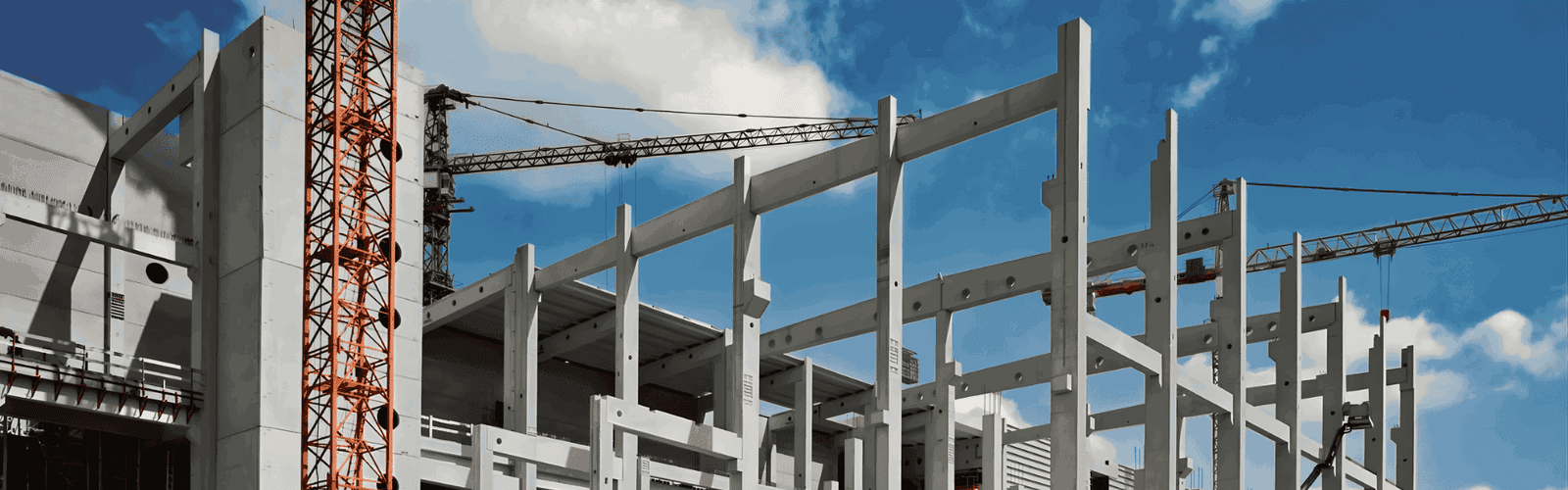
Shifting Forms: When Concepts Evolve on Site
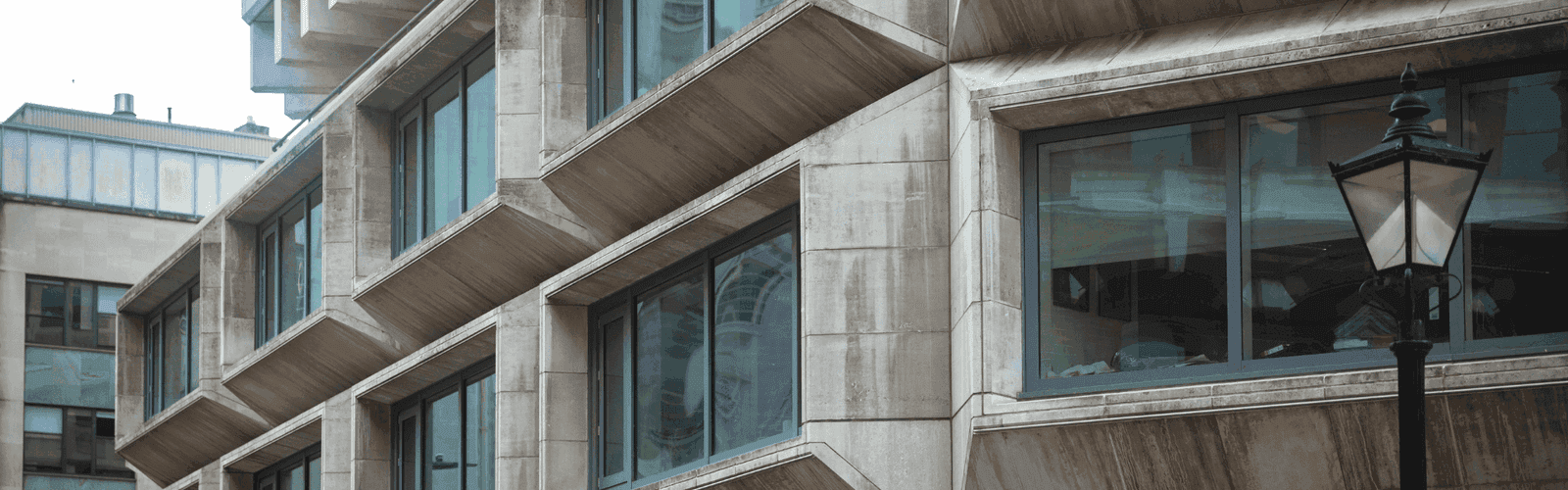
Brutalism Beyond Concrete and Reputation
Minimalism as a Discipline, Not an Aesthetic
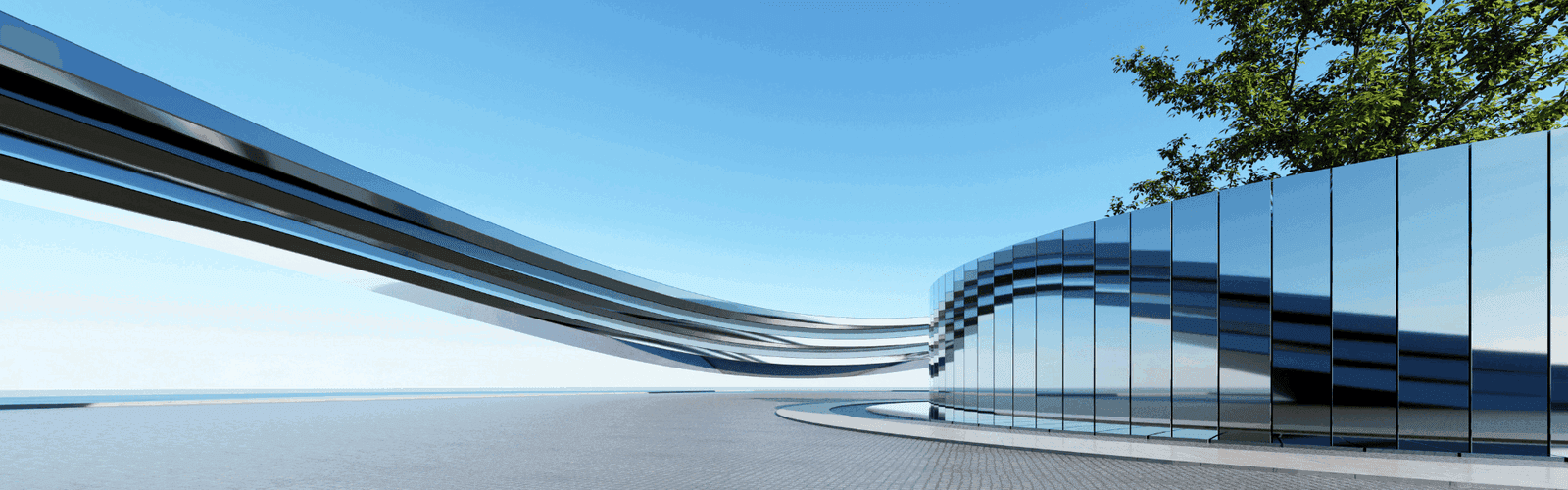
The Quiet Difficulty of Architectural Simplicity